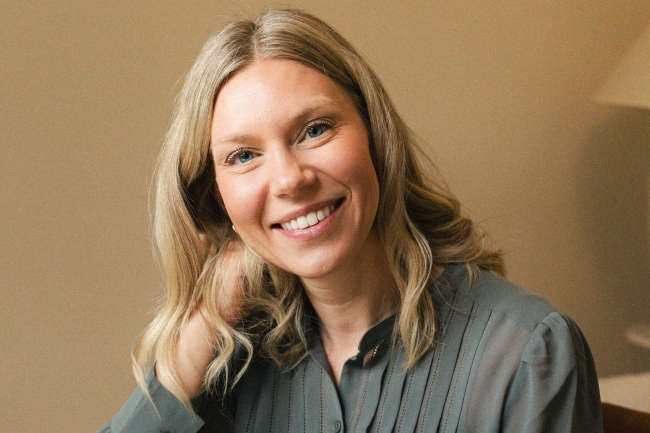
Emily Szatrowski, a local registered dietitian, says the week is about more than awareness.
Eating disorders are often misunderstood, stigmatized, and hidden — which is why Eating Disorders Awareness Week, running February 1 to 7 across Canada, is so important.
Emily Szatrowski, a local registered dietitian, says the week is about more than awareness.
She says this week is also about challenging harmful myths and helping people recognize when they or someone they love may need support.
When “healthy changes” become a slippery slope
Szatrowski says eating disorders don’t usually begin with harmful intent.
In many cases, they start with a desire to be healthier.
She says this goal of wanting to get healthy can start off with small choices, like a healthier snack choice or an evening walk, but then can quickly turn into something like extreme dieting and food restriction.
That’s why Szatrowski encourages people to speak with registered health professionals — especially if they have a history of body image concerns or disordered eating.
The five main types of eating disorders
While many people are familiar with some warning signs, Szatrowski says there are five primary categories of eating disorders, and not all of them look the same.
Anorexia nervosa involves extreme food restriction, significant fear of weight gain, and a distorted body image. Contrary to popular belief, people with anorexia do not always appear underweight.
Bulimia nervosa is characterized by binge eating followed by compensatory behaviors such as vomiting, laxative use, or excessive exercise.
Binge eating disorder involves repeated episodes of overeating without purging, often followed by intense feelings of guilt or shame. It is the most common eating disorder.
Avoidant Restrictive Food Intake Disorder (ARFID) is lesser known and not linked to body image or weight loss. People with ARFID may struggle to eat enough or have an extremely limited range of foods, often due to sensory sensitivities or fear related to choking or vomiting.
Other Specified Feeding and Eating Disorders (OSFED) includes eating disorders that don’t meet the exact criteria of the other categories but are still serious and harmful.
Disordered eating lives in the “grey zone”
Not all struggles with food meet the criteria for a clinical diagnosis — but that doesn’t mean they’re harmless.
Disordered eating can include chronic dieting, fear of certain foods, avoiding eating in public, or persistent dissatisfaction with one’s body. These behaviours can significantly affect physical and mental health, even if they aren’t formally diagnosed.
Eating disorders don’t have a “look”
One of the biggest myths Szatrowski wants to challenge is the idea that you can tell who has an eating disorder just by looking at them.
A person’s weight does not determine how they are feeling about their body — or whether they deserve support.
It’s not just "teenage girls"
While eating disorders are common among adolescent girls, Szatrowski says they affect far more people than that stereotype suggests.
About one in four people with anorexia or bulimia are boys or men, and one in three people with binge eating disorder are male.
Rates are also significantly higher among transgender individuals.
Eating disorders can occur at any stage of life, including pregnancy, menopause, and older adulthood. In fact, more than 17 per cent of adults seeking treatment are over the age of 40.
Szatrowski says diet culture and social pressure are reaching children at younger and younger ages.
What to do if you’re struggling — or know someone who is
Perhaps the most important message of Eating Disorders Awareness Week is that help is available — and people don’t need to wait for a diagnosis to seek it.
She encourages anyone who is struggling to speak with their family doctor or nurse practitioner, and to seek support from eating-disorder-informed dietitians or therapists. Resources are also available through the National Eating Disorder Information Centre at NEDIC.ca.